Gas Line Repair Apex NC
White Oak gas line repair

Gas Line Repair in White Oak, Apex, NC

White Oak is a historic community in north Apex where a rural-suburban mix defines the landscape — larger lots, some acreage, older farmhouses alongside newer builds along the rural roads. Out here, gas lines run long distances from the road to the house, homes convert from propane to natural gas, and wells and septic systems share the ground. We provide careful, code-aware gas line repair, installation, and leak detection across White Oak — work planned around long runs, conversions, and open country.

Wake County
Local service area
Safety-first
Code-aware gas work
Acreage expertise
Long-run specialists

About this area

Why gas line repair in White Oak matters

Why we serve here

White Oak is where Apex loosens into the countryside — a community built around the railroad, still holding its farmhouses and acreage while new construction fills in along the rural roads. Gas work here looks nothing like a city lot: lines run hundreds of feet, homes switch fuels, and every dig shares the ground with wells and septic fields. We serve White Oak because that kind of property rewards a contractor who plans for distance, documents conversions properly, and treats open ground with the same care as a finished yard.

Big lots, long runs, and gas lines with room to roam

White Oak grew up around the railroad in north Apex, and it still carries that frontier-town spacing: houses set well back from the road, barns and workshops standing apart from the main house, fencelines running long and straight across pasture and lawn. When a home sits several hundred feet from the gas main at the road, the service line isn't a short stub — it's a real run of buried pipe, with joints, branches, and exposure to everything the open ground can do. The longer the run, the more there is to inspect, and the more important it becomes to know exactly where the line travels before anyone digs.

Distance changes the failure picture. A leak on a short city lateral announces itself quickly; a leak on a two-hundred-foot run across a White Oak lot can hide in the middle of a pasture, showing up only as a patch of struggling grass or a faint smell on a still morning. Pressure behaves differently too: long runs lose pressure along their length, so undersized pipe starves the appliances at the far end while everything near the meter looks fine. When we work a White Oak property, we test the system in sections and measure pressure at the house, not just at the meter — because the whole point of the run is delivering gas where it's used, not where it starts.

Propane-to-natural-gas conversions are the area's other defining job. Plenty of White Oak homes started life on propane — a tank by the barn, lines sized for a different fuel and different pressures — and as natural gas service has reached further along the rural roads, owners have made the switch. A proper conversion is more than swapping the supply: the service line gets retrenched or re-purposed to code, regulators are matched to the new fuel, and every appliance is adjusted or converted for natural gas and re-tested. Done piecemeal, conversions leave behind mismatched parts and underperforming appliances; done right, the whole system reads as one coherent natural gas installation.

Wells and septic systems share the ground on many White Oak properties, and they set the terms for any gas line work. Excavation has to respect setbacks from wells and drain fields, lines get marked and located before any trench opens, and routing plans around what can't move. This is planning work, not just digging work: a good route threads the gas line where it belongs the first time, so nobody is re-trenching through a drain field later. We map the underground picture — gas, well lines, septic — before we commit to a path.

The outbuildings complete the White Oak pattern. Barns with heaters, workshops with gas-fired equipment, guest houses with their own water heaters — each one hangs off the main system as a branch line, and each branch adds joints, exposure, and age. Over the years these branches get extended, repaired, and re-repaired by different hands until the property's gas map exists only in someone's memory. We redraw that map for every White Oak property we serve: every branch located, every leg tested, every tired run renewed or consolidated. On acreage, a gas system you can diagram is a gas system you can trust.
Services available

Gas line repair services in White Oak

In White Oak, gas work has to answer to distance, fuel conversions, and crowded underground real estate. Our repair, installation, and leak detection services are planned around those realities — sectional testing on long runs, complete and documented conversions, and routing that respects wells, septic, and outbuildings.

How we work locally

How gas line repair is executed in White Oak

Challenge: Leaks hiding on long buried runs

On White Oak acreage, the gas line can run hundreds of feet from the road to the house, with branches to barns and workshops. A leak in the middle of a long run shows up as a faint smell on a still morning or a patch of struggling pasture — easy to miss, hard to pinpoint.

Solution: We test the system in sections to isolate the failing leg, then use detection equipment to pinpoint the leak before opening any ground. Once found, we expose only what's needed, repair or replace the compromised pipe, and verify the whole run holds pressure before backfilling.

Challenge: Piecemeal propane-to-gas conversions

Many White Oak homes converted from propane as natural gas reached the rural roads — sometimes by different hands, sometimes in stages. The legacy: mismatched regulators, lines sized for the old fuel, and appliances never properly adjusted for the new one.

Solution: We audit the whole system as one installation: service line sizing for natural gas, correct regulation, and every appliance converted, adjusted, and re-tested. The result reads as a single coherent system instead of a patchwork of eras.

Where we work

Rural RoadsHistoric White OakNorth ApexI-40 CorridorCounty Line PropertiesAcreage Tracts

Where we work

White Oak

Latitude: 35.7327

Longitude: -78.8503

Extract Directions

Case files

Illustrative examples of the kind of gas line work White Oak's long runs, conversions, and acreage properties typically call for. Every property is different; these scenarios show how we approach the common patterns.

Illustrative scenario: 1

Farmhouse — completing a propane conversion

Challenge

An older farmhouse along the rural roads had switched to natural gas in stages: the service line was new, but the regulators were a mix of old and new and several appliances had never been properly adjusted for the new fuel. Performance was uneven and the owner wanted the system unified.

Execution

We audited the installation end to end — service line sizing, regulation, and every appliance. Mismatched regulators were replaced with correctly matched units, each appliance was converted and adjusted for natural gas, and the whole system was pressure-tested and leak-checked as one installation.

Impact

The farmhouse ended up with a coherent, fully documented natural gas system — even heat, properly firing appliances, and a clear diagram of what runs where for future work.

Illustrative scenario: 2

Acreage — long run leak to a workshop

Challenge

On a multi-acre White Oak property, the branch line feeding a detached workshop developed a slow leak somewhere along its long buried path. The run crossed open ground between the house and the barn, and the leak's location was anyone's guess.

Execution

We sectionalized the system to confirm the workshop leg was the problem, then traced it with detection equipment to a failed joint partway across the property. Only that section was exposed; the deteriorated joint and surrounding pipe were replaced, and the full run was retested before backfill.

Impact

The workshop leg tested tight, the yard stayed mostly undisturbed, and the owner received an updated map of every branch on the property for the next time work is needed.

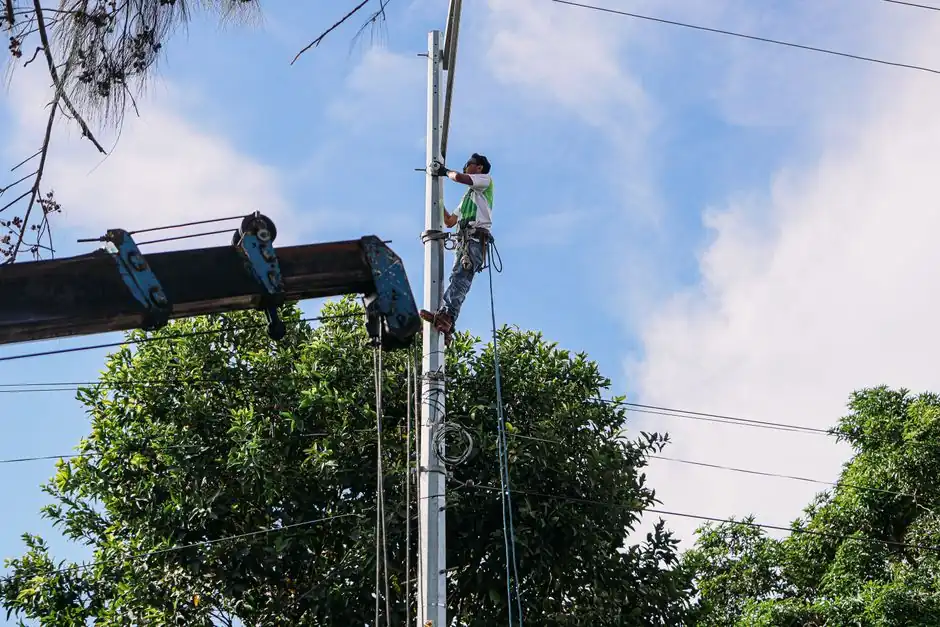
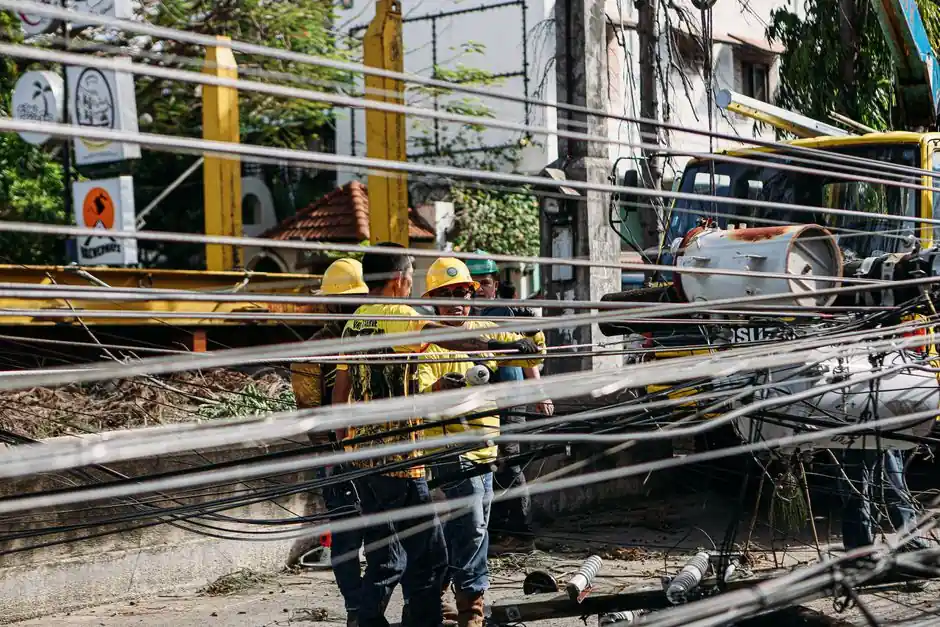
Utility workers servicing rural infrastructure serving White Oak, Apex, North Carolina.
Our track record
Our track record

Field evidence from White Oak

Gas work shaped by distance and open ground

Our work in White Oak keeps returning to the same fundamentals: plan for the distance, respect what's already underground, and finish conversions instead of leaving them half done. We have traced slow leaks across multi-hundred-foot runs to failed mid-run joints, unified piecemeal propane conversions into coherent natural gas systems, routed new lines around wells and septic fields with proper setbacks, and mapped branch lines to barns and workshops that no one had diagrammed in years. From historic farmhouses to new builds along the rural roads, the lesson holds: on acreage, the right gas work starts with understanding the whole property — not just the pipe that's leaking today.

Code-aware
Every repair planned around local ground and current requirements

Local questions

What is involved in switching a White Oak home from propane to natural gas?

A complete conversion covers the service line, regulation, and every appliance. The new buried service is sized and installed to code, regulators are matched to natural gas, and each appliance — range, water heater, furnace, dryer — is converted or adjusted for the new fuel and re-tested. Skipping any of those steps leaves a piecemeal system with uneven performance, which is why we audit the whole installation rather than just connecting the new supply.

How do you find a leak on a very long buried line?

We test the system in sections to isolate the failing leg, then trace it with combustible-gas detectors and pressure testing rather than digging blindly. On White Oak acreage this usually means walking the suspected run above ground first — odor, vegetation changes, and detector readings narrow the search — so we only open the ground where the leak actually is.

Do wells and septic systems complicate gas line work?

They shape the plan but they don't stop it. Gas lines need proper setbacks from wells and drain fields, and every trench gets located and marked before digging begins. We map the underground picture — gas, well lines, septic — and choose a route that respects all of it, so the work is done once and done right.

What affects the cost of gas line work in White Oak?

Distance is the biggest local factor: longer runs mean more pipe, more trenching, and more joints. Other factors include soil conditions along the route, how many branches and outbuildings the system feeds, well and septic routing constraints, the condition of any existing line being converted or tied into, and permit and inspection requirements. A walk of the actual property is the only honest way to price it.

Safety & code compliance

Trust and compliance

Gas work in White Oak has to satisfy the same safety codes as anywhere else in North Carolina — plus the practical demands of long buried runs, fuel conversions, and properties where wells, septic, and outbuildings share the ground. We approach every job in White Oak with current code requirements in mind, document our work clearly, and make sure you understand what was done and why. No shortcuts across open ground, no half-finished conversions, and no pressure tactics — just careful, explainable work.

Acreage-ready installations Sized for long runs and far-end pressure
Inspections included Work verified to local requirements
Complete conversions Propane-to-gas finished properly, not halfway

Areas we cover

When To Call

Signs you need gas line repair in White Oak

On White Oak acreage, gas line trouble hides in the open — a long run crossing pasture, a conversion that was never quite finished, a branch to the barn nobody has looked at in years. If you notice any of the following, get a professional inspection before the problem grows.

1. Gas odor along a fence line or across the yard

On a still morning, walk the path your gas line takes from the road. A rotten-egg smell anywhere along that route — even faint — deserves immediate professional attention.

2. Hissing at the meter, risers, or outbuilding connections

On a big property, hissing can come from the meter, a riser, or a connection at a distant outbuilding. Note where you hear it, do not try to tighten anything yourself, and shut off the gas only if you can do so safely.

3. A strip of struggling vegetation crossing the property

A line of dying grass or stressed plants tracing the buried run's path — in an otherwise healthy field or lawn — can indicate a slow underground leak starving roots of oxygen.

4. Appliances underperforming since a fuel conversion

Weak flames, sluggish water heaters, or a furnace that never quite satisfies the thermostat after switching from propane can mean the conversion was never properly completed.

5. Exposed or damaged pipe near barns and outbuildings

Above-ground runs around barns take weather, equipment bumps, and animal attention. If you spot corroded, bent, or exposed pipe at an outbuilding, keep clear and arrange an inspection promptly.

6. Pressure problems at the far end of a long run

If appliances near the house work fine but equipment at a distant barn or guest house struggles, the long run may be undersized or partially restricted — a sizing problem worth diagnosing properly.

Local Problem Patterns

Common gas line repair problems in White Oak

White Oak's combination of long buried runs, fuel conversions, and working acreage produces a recognizable set of gas line issues. Here are the patterns we see most often in the community.

Mid-run leaks on long laterals

Why it happens here

A two-hundred-foot run has far more joints and ground exposure than a city stub. Age, soil movement, and the odd equipment nick accumulate along the length, and failures land in the least convenient middle.

Our approach

We sectionalize the system to isolate the failing leg, pinpoint the leak with detection equipment, and open only the ground that needs opening — then verify the full run holds pressure before backfill.

Incomplete propane conversions

Why it happens here

Conversions done in stages by different hands leave mismatched regulators, old-fuel sizing, and appliances that were never adjusted. The system works — just never quite right.

Our approach

We audit the installation as a whole: sizing, regulation, and every appliance. Then we finish the conversion properly — matched components, converted burners, and a system tested as one.

Undocumented branch lines to outbuildings

Why it happens here

Barns, workshops, and guest houses get branched off over the years with no diagrams kept. When a branch fails, nobody knows its exact route — and digging blind on acreage is how other utilities get hit.

Our approach

We locate and map every branch from the meter outward, test each leg, and hand you a diagram of the whole property — so the next repair starts with knowledge instead of guesswork.

Weathered above-ground piping

Why it happens here

Risers and exposed runs around barns and meters take full sun, storms, and the occasional equipment bump. Paint fails, corrosion starts, and supports loosen — quietly, over years.

Our approach

We inspect every exposed section for corrosion and support failure, renew what's deteriorated, and re-protect the rest — because the pipe you can see should be the pipe you can trust.

Year-Round Coverage

How seasons affect gas line repair in White Oak

White Oak sits in a wooded pocket of Apex where White Oak Creek keeps the ground damp well into summer, and that moisture shapes how each season treats the area's gas lines — from spring washouts to winter frost on exposed risers.

Spring

Spring storms saturate White Oak's open ground and shift soil around long buried runs. Soft ground also makes it the easiest season for trenching — ideal timing for conversions and reroutes.

Tip

After heavy spring rains, walk your long runs for new erosion or settling over the buried line's path.

Summer

Summer heat hardens the ground and loads every gas appliance — pool heaters, outdoor kitchens, and shop equipment run long hours on White Oak properties. It is also when drought-stressed vegetation can mask a slow leak.

Tip

Before peak summer use, have outbuilding branches and outdoor gas features checked so the season runs safely.

Fall

Fall is White Oak's project season: milder weather, workable ground, and the right moment to finish a conversion or renew a tired run before winter heating demand arrives.

Tip

Schedule conversion work and full-system inspections in the fall — before the first cold snap tests your heating.

Winter

Hard freezes are rare in north Wake County but real — and they find every weak point. Cold snaps drive furnace demand up while exposed risers and old valves take the worst of it.

Tip

Before the first freeze, make sure exposed risers and older valves at outbuildings are sound — cold weather finds every weak point.

Hiring Smart

Questions to ask before hiring gas line repair in White Oak

White Oak's long runs, conversions, and working acreage make the choice of contractor matter more than usual. These questions separate a crew that understands country properties from one that will learn on yours.

  1. 1

    "How do you locate and test a leak on a multi-hundred-foot run?"

    Why it matters

    Acreage leaks hide. You want sectional pressure testing and real detection equipment — not someone who starts digging at the meter and works outward.

  2. 2

    "What does a complete propane-to-natural-gas conversion include?"

    Why it matters

    The answer should cover the service line, matched regulators, and every appliance converted and re-tested — not just "we'll hook up the new gas."

  3. 3

    "How do you handle wells and septic when routing a line?"

    Why it matters

    Most White Oak properties have one or both. A contractor who maps setbacks and underground conflicts before trenching saves you from expensive rework.

  4. 4

    "How will you handle permits and inspections for this work?"

    Why it matters

    Gas work typically requires permits and sign-off. A straight answer here tells you the job will be documented, inspected, and above board.

  5. 5

    "If I smell gas on a large property, what should I do first?"

    Why it matters

    On a big property the shutoff can be far from the house, and every minute counts. A good contractor makes sure you know exactly where your shutoff is and what to do first — before they ever roll a truck.

Knowing the Area

Landmarks and points of interest around White Oak

Our service routes through White Oak follow the community's familiar geography — the old rail corridor, the rural roads, and the I-40 frontage that ties this historic community to the rest of Apex.

Landmarks

  • Historic White Oak rail corridor

    The railroad line that built White Oak as a community — older farmhouses and commercial buildings still cluster near the tracks.

  • Rural road corridor

    The farm-to-market road anchoring the area, mixing acreage tracts, farmhouses, and newer construction along its length.

  • White Oak Creek corridor

    The creek winds through White Oak toward Apex, and low-lying properties share its soils and drainage patterns.

Commercial Districts

  • Rural road corridor businesses

    Agricultural suppliers, small shops, and trade services along the road — many in older buildings with legacy gas systems.

  • I-40 frontage near White Oak

    The interstate frontage serving the community's travelers and new development, where commercial gas loads keep growing.

Transport & Access

  • I-40

    The interstate bordering White Oak on the east — our main artery for reaching north Apex properties quickly.

  • Rural roads & county connectors

    The farm-to-market road and the county roads linking it to the interstate; we plan equipment and access around these routes on every visit.

Service Area

Gas line repair coverage across White Oak, Apex & Wake County

Routine and same-week appointments for White Oak homeowners, farmhouses, and acreage properties across Wake County, including the ZIP code below.

27502
!

Reliable gas line repair in White Oak

From long buried runs to finished propane conversions, White Oak's gas systems deserve work that respects the property they're buried on. Call today for careful, code-aware gas line repair, installation, and leak detection anywhere in White Oak.

Request service
Call Now: (984) 246-1060