Gas Line Installation Apex NC
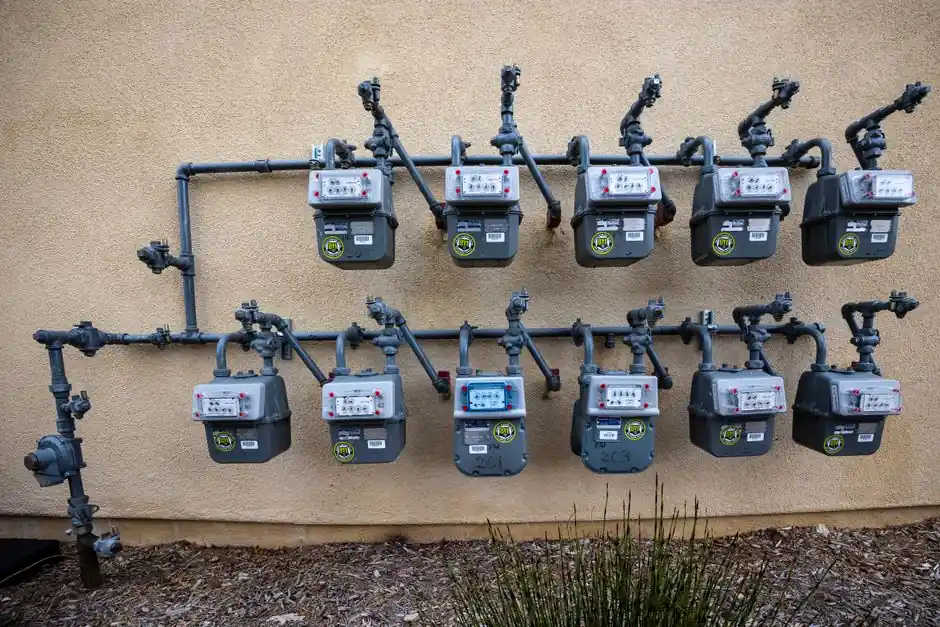
Gas line installation in Apex NC is the engineered work of designing and running new fuel-gas piping — for a kitchen remodel, a new furnace, a tankless water heater, an outdoor kitchen, or a whole new addition. Getting it right starts long before any pipe is cut: every appliance’s BTU demand is added up, the pipe is sized for the total load and the longest run, and the route is planned around structure, code clearances, and inspection requirements. Our Apex team installs new gas lines for homes and businesses across Wake County, coordinating with Dominion Energy on the meter side and meeting the codes enforced locally.
Service overview
What is gas line installation Apex NC?
A proper gas line installation is a small engineering project. It begins with a load calculation — listing every gas appliance the line will serve, from the furnace and water heater to the range, dryer, grill, and pool heater, and totaling their BTU input. That total, combined with the developed length of the longest run and the available gas pressure, determines the pipe diameter through standard sizing tables: too small and appliances starve, especially when several run at once. Material choice comes next — black iron, corrugated stainless steel tubing (CSST), or copper indoors, and polyethylene (PE) for buried exterior runs — each with its own joining methods and code rules. The installation itself must follow routing, support, protection, and clearance requirements, pass a pressure test, and clear inspection. In Apex, that means working within city permit requirements, the North Carolina Railroad Commission’s safety rules, and Dominion Energy’s meter and service standards.
! Common warning signs
Gas leaks from old lines
Old, undersized, or deteriorated lines are a poor foundation for new appliances. Tying a modern tankless water heater or pool heater into an aging, undersized run invites pressure drop, incomplete combustion, and leaks at tired joints. When the existing piping cannot safely carry the new load, a new properly sized line is the correct answer — not a bigger appliance on a smaller pipe.
Inadequate gas supply for appliances
The classic symptom is appliances that misbehave when others are running: a water heater that goes lukewarm when the furnace kicks on, or burners that weaken when the dryer starts. The cause is usually undersized piping that cannot deliver the combined BTU load. A proper installation sizes the pipe for everything running at once, so each appliance gets full pressure.
Non-compliance with local codes
Unpermitted gas work — wrong materials, missing sediment traps, improper supports, lines buried at the wrong depth or sleeved incorrectly through walls — creates real hazards and fails inspections. In Apex, new gas line work generally requires a permit and a pressure test at inspection, and buried work requires a North Carolina 811 locate before digging.
Scope of work
What's included in gas line installation
Our gas line installation service covers the job from first measurement to final inspection. We design the system on paper first — loads, sizing, routing, materials — then install, test, and document it so it passes inspection the first time. Here is what is included:
-
01
Site assessment
We walk the property, inventory every current and planned gas appliance with its BTU rating, measure the proposed runs, and check the existing meter capacity and service pressure with Dominion Energy’s requirements in mind. This is where the sizing math starts.
-
02
Material provision
We supply pipe, fittings, valves, sediment traps, and hangers rated for fuel gas — black iron, CSST, or copper for interior runs and PE for underground — selected for the application and the local code, not just what is cheapest.
-
03
Installation work
Our team runs the new line along the planned route with proper supports, protection plates where required, correct joint methods for each material, and shutoff valves at every appliance. Every connection is leak-checked as it goes in.
-
04
Final inspection
The completed system gets a standing pressure test, a full instrument sweep of every joint, and a review against the permit requirements — so it is ready for the city inspection and for years of safe service.
Benefits of gas line installation
A correctly designed gas line installation pays off every day. Each appliance receives its full rated fuel supply, so burners, furnaces, and water heaters perform the way their manufacturers intended. Proper materials and methods mean the system passes inspection without rework and holds up for decades. And because the line is sized for the whole appliance list — including the outdoor kitchen or pool heater you might add later — you are not tearing into walls again when plans change. Clean documentation of the installation also helps at resale, when buyers and inspectors ask how the gas system was built. Here are the key benefits:
Request a quoteTools and methods for gas line installation
Pipe wrench
Sized wrenches assemble threaded black-iron pipe with proper torque — tight enough to seal, without cracking fittings or distorting pipe.
Gas leak detector
Every new joint is swept with a combustible-gas indicator during installation, and the whole system is checked again after the pressure test.
Pressure gauge
Gauges run the standing pressure test that proves the new system is tight, and verify operating pressure at the appliances afterward.
Pipe cutter
Clean, square cuts are the foundation of good joints — whether threading black iron, cutting copper, or preparing CSST and PE.
Local execution
Gas line installation in Apex has to account for local ground, local growth, and local rules. New subdivisions like Olive Chapel and Meyer Ranch are adding homes — and gas appliances — at a rapid pace, while established areas like Westmeyer and Copper Ridge see remodels and outdoor-living upgrades that need new or upsized lines. Buried exterior runs cross the same Piedmont bedrock and Piedmont clay that complicates repairs: shallow rock makes trenching slow, and expansive clay demands careful bedding so shifting soil does not stress the pipe. The Town of Apex requires permits for new gas line work, with pressure testing at inspection, and any digging means calling North Carolina 811 at least two working days ahead so Dominion Energy and other utilities can mark their lines.
Gas line installation in Apex: Local considerations
- • Meyer Ranch
- • Olive Chapel
- • Copper Ridge
- • Westmeyer
Before & after
Available 24/7 in Apex
When emergencies happen, we answer
Our team is on call for gas line installation in Apex NC — from planned projects like kitchen remodels and outdoor kitchens to urgent replacements when an existing line has failed. Whether you are adding a gas range in a Olive Chapel new build or replacing a failing line in an older Westmeyer home, we handle the load math, the routing, the materials, and the inspection steps. Call (984) 246-1060 to talk through your appliance list and what the installation would involve.
Our gas line installation process
Initial consultation
We start by listing every gas appliance the new line will serve — current and planned — with BTU ratings, then measure runs and check meter capacity. From that we produce the load calculation and pipe sizing that the whole design rests on.
Site preparation
The route is marked, North Carolina 811 is called for underground utility locates, and the work area is prepared — trenching planned around limestone and existing utilities, with protection for landscaping and structures.
Material selection
Pipe material is matched to the application: black iron or CSST for most interior runs, copper where approved, and PE for buried exterior lines — with valves, sediment traps, and supports to match, all rated for fuel gas.
Gas line installation pricing
Gas line installation costs in Apex are driven by the scope of each project, and understanding the factors helps you plan. The biggest drivers are the total length of new piping and how much of it runs underground, the materials specified, the number of appliance drops and shutoffs, permit and inspection requirements, and site conditions — trenching through Piedmont bedrock costs more in labor and equipment than running exposed pipe through an open attic. When you call (984) 246-1060, we will walk through your appliance plans and explain what the installation involves before any work is scheduled.
Length of gas line
Every foot of pipe is material plus labor, and long runs may also need larger diameters to carry the load — so distance and sizing together shape the scope.
Type of materials used
Black iron, CSST, copper, and PE each carry different material and labor costs, and the right choice depends on the application and code — not just the price tag.
Permit requirements
Permitted work includes the permit itself plus the pressure testing and inspection steps the city requires. Unpermitted work may look cheaper until it fails an inspection or a home sale.
Before you plan an installation
Frequently asked questions
How to choose a gas line installation service in Apex?
Look for a company that does the engineering first: a written load calculation, pipe sizing from standard tables, and a clear plan for routing, materials, and permits. Local experience matters — installers who work regularly in Apex understand city permit requirements, Dominion Energy meter standards, and how Piedmont bedrock and clay affect buried runs. Ask whether permits and the inspection pressure test are included, what materials will be used and why, and how each appliance gets its own shutoff. Vague answers on sizing are a red flag.
What are the benefits of gas line installation in Apex?
Proper installation means every appliance gets its full fuel supply, so equipment runs at rated efficiency instead of starving when multiple appliances fire at once. It brings new work fully up to current code — with permits, pressure testing, and inspection — which protects you at resale and with insurance. It also future-proofs the system: a line sized for your whole appliance list, including the outdoor kitchen or pool heater you might add later, saves you from opening walls twice. And professionally installed piping simply lasts, with none of the slow leaks and tired joints that plague improvised work.
How long does gas line installation take in Apex?
Timing depends on scope rather than a fixed schedule. A short interior run to a single appliance is typically completed within one work visit, while long buried runs take longer — especially where trenching meets Piedmont bedrock. Permits and inspection scheduling add calendar time around the physical work: the city permit comes first, then installation and pressure testing, then the inspection itself. When we scope your project we will lay out the sequence — consultation and sizing, site prep and 811 locates, installation, testing, and inspection — so you know what happens when.
What materials are used for gas line installation in Apex?
Common fuel-gas materials include black iron pipe with threaded fittings, corrugated stainless steel tubing (CSST) with proper bonding, and copper tubing where approved for the application — plus PE (polyethylene) pipe for buried exterior runs. Each has its place: black iron for exposed interior runs, CSST for flexible routing through framing, PE underground where it resists corrosion. Fittings, valves, sediment traps, and supports must all be rated for fuel gas. What you will not see in proper gas work is PVC or other non-rated pipe — those materials are not approved for fuel gas.
Related services
Gas Line Repair
If an inspection or a new appliance reveals problems in your existing piping — leaks, corrosion, or undersized runs — our gas line repair service corrects them with properly rated materials and full pressure testing.
Gas Leak Detection
Smell gas or suspect a leak in existing piping? Our detection service pinpoints the exact source with electronic instruments, so any repair or new installation starts from a known-safe system.
Ready for gas line installation Apex NC?
Planning a new gas appliance, a remodel, or an outdoor living upgrade in Apex? Call (984) 246-1060 — we will talk through your appliance list, the sizing math, permits, and exactly what the installation involves.