Gas Line Repair Apex NC
Beaver Creek gas line repair

Gas Line Repair in Beaver Creek, Apex, NC

The Beaver Creek is one of Apex' most established residential neighborhoods, set along US-64 near Beaver Creek Commons. Mature oaks shade 1960s–1990s ranch and brick homes where families have put down roots for decades. Beneath those shaded streets, aging yard gas lines contend with tree roots, shifting clay soil, and older appliance connections. We provide careful, code-aware gas line repair, installation, and leak detection across the Beaver Creek — work planned around the neighborhood's trees, soil, and housing stock.

Wake County
Local service area
Safety-first
Code-aware gas work
Fall maintenance checks
Current season focus

About this area

Why gas line repair in Beaver Creek matters

Why we serve here

The Beaver Creek is the kind of neighborhood where a single block can hold fifty years of housing history — original 1960s ranch homes beside thoughtfully remodeled brick houses, all under the same canopy of heritage oaks. That mix is exactly why it rewards a gas contractor who reads the property before touching a shovel: tree root zones, clay soil movement, and decades of incremental appliance work each leave their mark on a gas system. We serve the Beaver Creek because careful, property-specific gas work is what keeps an established neighborhood safe.

Established streets, mature oaks, and gas lines aging alongside the homes

The Beaver Creek grew up in the decades when Apex was still a small North Carolina town finding its postwar footing, and its housing stock shows it. Ranch-style homes from the 1960s and 1970s sit alongside 1980s and 1990s brick houses, most of them single-story, most of them family homes with real yards. Generations of owners have added on, remodeled kitchens, finished garages, and put in outdoor living spaces. Every one of those changes touched the gas system in some way — a water heater moved to the garage, a range upgraded to a larger gas cooktop, a fireplace insert added to the living room. The result is a neighborhood of gas systems that are perfectly functional but layered, with older sections feeding newer additions, and fittings from different eras meeting behind walls and under floors.

Then there are the trees. The Beaver Creek's mature oaks are the neighborhood's defining feature — broad canopies that shade entire blocks, root systems that have been spreading for forty, fifty, sixty years. Gas yard lines in the Beaver Creek were often trenched when those trees were saplings, and the roots have had decades to find them. Roots don't puncture sound pipe so much as they shift it, crowd it, and exploit any weakness at a joint or fitting. A yard line that has lived under an expanding oak canopy for decades deserves more than a quick glance: it needs locating equipment, careful exposure, and an honest assessment of whether the line should be repaired in place or rerouted clear of the root zone.

Under the trees and the lawns, Wake County clay does its slow seasonal work. The expansive clay soils common across this part of North Carolina swell with the spring rains and shrink through the dry late summer, and that movement doesn't stop at the foundation — it works on everything buried and everything connected to the house. Gas lines entering through the slab or foundation wall feel the stress first: the house moves a fraction, the yard line doesn't, and the connection between them takes the strain. Sticking doors and hairline drywall cracks are the visible signs homeowners notice; the gas entry point is the hidden one worth checking when the soil has been moving.

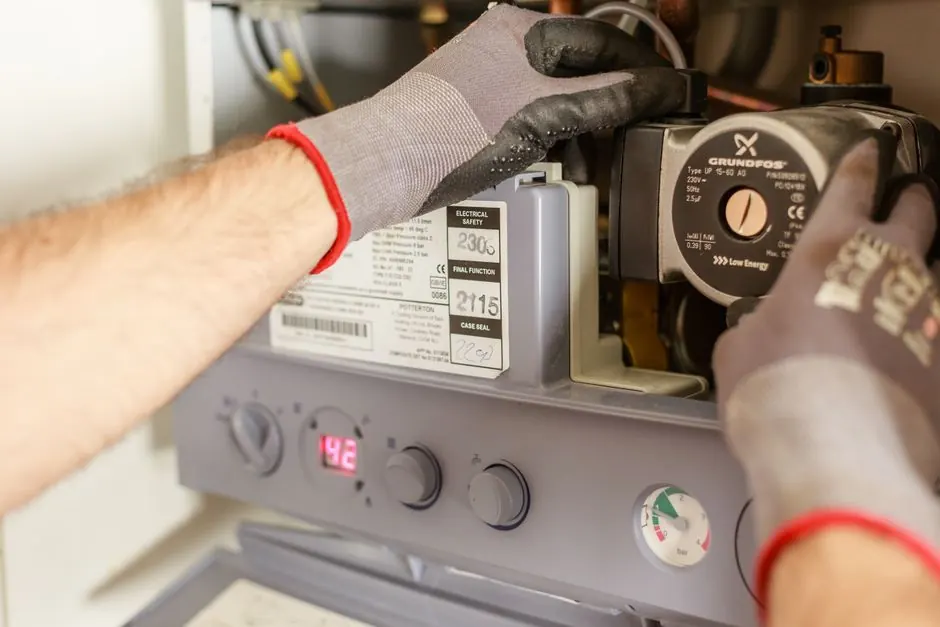
Appliance connections are the Beaver Creek's other signature issue. Water heaters tucked into 1970s utility closets, furnaces in attics that have been serviced by a dozen different hands, outdoor grills and fire pits added during the backyard-living boom — each connection is a point where gas meets the house, and older ones were made to the standards and materials of their day. Flexible connectors age, shutoff valves stiffen from disuse, and sediment traps fill. When we inspect a Beaver Creek home, we give these connection points the same attention as the buried line, because in an established neighborhood they are where trouble most often starts.

The neighborhood's remodeling wave adds one more layer. Beaver Creek families are updating kitchens, adding outdoor kitchens, and converting garages — and every new gas appliance changes the math on the system feeding it. A larger range, a tankless water heater, and a new outdoor fire feature can push an older, smaller service line past what it was sized to deliver. We size the whole system, not just the new appliance: checking that the existing yard line and meter can carry the new total load, and upgrading the run when the numbers say it should be. That is how an established neighborhood modernizes without outgrowing its gas infrastructure.
Services available

Gas line repair services in Beaver Creek

In the Beaver Creek, gas work has to answer to mature oak roots, expansive clay soil, and a housing stock layered with decades of remodels. Our repair, installation, and leak detection services are planned around those realities — root-aware excavation, honest assessment of aging connections, and clean, code-aware work on both original and updated systems.

How we work locally

How gas line repair is executed in Beaver Creek

Challenge: Mature oak roots around aging yard lines

The Beaver Creek's heritage oaks have spent decades growing around gas lines that were trenched when the trees were young. Roots crowd buried pipe, shift joints, and make simple repairs complicated — a careless dig can damage both the line and the tree.

Solution: We locate the line precisely before digging, expose it by hand through root zones, and protect both the pipe and the tree. Where roots have made the original path untenable, we reroute the line clear of the heaviest growth with proper sleeving and depth.

Challenge: Clay soil movement stressing house connections

Expansive Wake County clay swells in the wet months and shrinks in the dry ones, and the house rides that movement while the buried yard line stays put. The entry point where the line meets the home absorbs the difference, year after year.

Solution: We inspect the meter-to-house transition for stress and corrosion, renew tired entry fittings, and route with enough flexibility and support that seasonal movement stops being a threat. After drought-to-deluge swings, we recommend a check even when nothing smells wrong.

Where we work

Beaver Creek CommonsUS-64NC-55Salem StreetOlive Chapel RoadApex Nature Park

Where we work

Beaver Creek

Latitude: 35.7327

Longitude: -78.8503

Extract Directions

Case files

Illustrative examples of the kind of gas line work the Beaver Creek's oaks, clay soil, and layered housing stock typically call for. Every property is different; these scenarios show how we approach the common patterns.

Illustrative scenario: 1

Beaver Creek ranch home — yard line under mature oaks

Challenge

A homeowner in one of Beaver Creek's established ranch neighborhoods noticed a faint gas odor in the yard on still evenings. The home's gas line ran beneath the canopy of a large oak, and decades of root growth had crowded and shifted the buried pipe at a joint.

Execution

We pressure-tested the system to isolate the leaking leg, then exposed the line by hand through the root zone to protect both the pipe and the tree. The compromised joint was rebuilt, and the run was rerouted slightly to give the root system its space, with proper sleeving where the new path crossed active roots.

Impact

The system tested tight, the odor was gone, and the oak kept its canopy — the repair respected both the gas line and the tree that defines the yard.

Illustrative scenario: 2

Ranch home — clay shift stressing the house connection

Challenge

After a dry summer followed by heavy fall rains, a ranch homeowner found sticking doors and a faint gas smell near where the line entered the house. Seasonal clay movement had worked on the entry fitting over many cycles.

Execution

We inspected the full meter-to-house transition, confirmed a stressed fitting at the entry point, and renewed it with proper support and corrosion protection. The surrounding run was checked for similar strain, and the entry was re-bedded so future soil movement has room to work without loading the fitting.

Impact

The connection tested solid, the smell was resolved, and the homeowner got a plain-English rundown of what clay movement does to gas entries — and what to watch for next season.

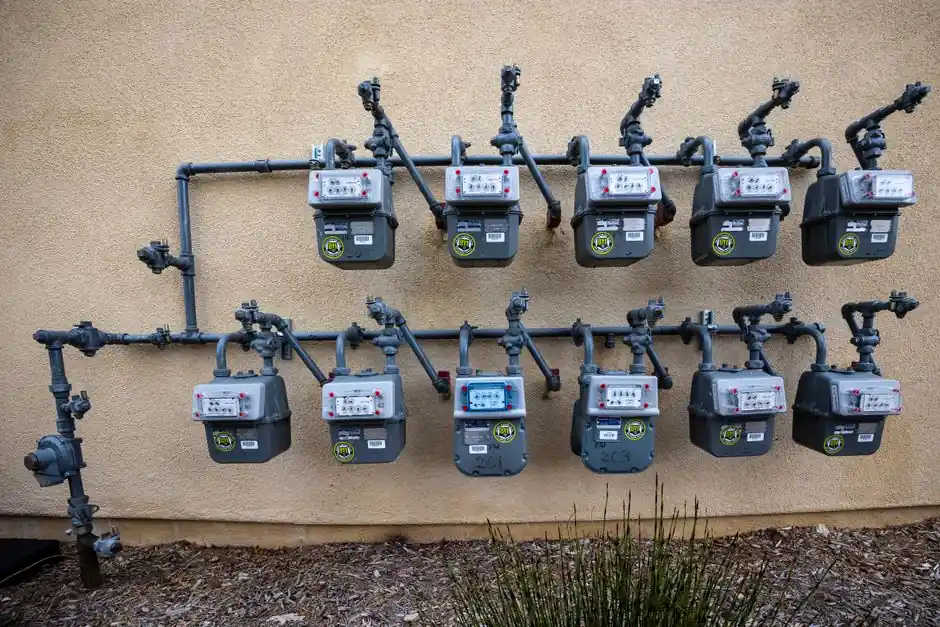
A neat row of gas meters on a Beaver Creek, Apex home exterior after professional installation.
Our track record
Our track record

Field evidence from Beaver Creek

Gas work shaped by oaks, clay, and older homes

Our work in the Beaver Creek keeps returning to the same fundamentals: respect the trees, account for the clay, and read the house's history before planning the repair. We have traced leaks through root-crowded yard lines near Beaver Creek Commons, rebuilt entry fittings stressed by seasons of clay movement, renewed aging appliance connections in 1970s utility rooms, and resized service lines for families adding outdoor kitchens to their ranch homes. From original ranch houses to carefully remodeled brick homes, the neighborhood teaches the same lesson: in an established area, the right repair is the one that fits the property's age, its soil, and its trees — not just the pipe in front of you.

Code-aware
Every repair planned around local ground and current requirements

Local questions

How do I know if my Beaver Creek home's gas line needs attention?

Watch for the neighborhood's telltale signs: a gas odor near the yard or where the line enters the house, hissing at the meter or a connection, appliances with weak or yellow flames, and any recent foundation movement — sticking doors, new drywall cracks — paired with anything that smells off. Homes with original 1960s–1980s yard lines under mature oaks are also good candidates for a proactive inspection even when nothing seems wrong.

Can tree roots actually damage a gas line?

Roots rarely puncture sound pipe, but they absolutely stress it. Over decades, oak roots crowd buried lines, shift joints, and exploit weak fittings — especially where a line was trenched when the tree was small. The risk is highest in established neighborhoods like the Beaver Creek, where large canopies have had forty or more years to grow around the original yard lines.

Why does clay soil matter for gas lines?

Wake County's expansive clay swells when wet and shrinks when dry, moving the house a fraction while the buried yard line stays put. That difference loads the entry fitting where the line meets the home, cycle after cycle. It is the same movement that sticks your doors — except at the gas entry, it works on metal instead of wood. Checking the meter-to-house transition after big wet-dry swings is simple prevention.

What affects the cost of gas line work in Beaver Creek?

The main local factors are the length of the run, how much of it sits under root zones, accessibility around mature landscaping, the condition and age of the existing line being tied into, whether rerouting around trees is needed, and permit and inspection requirements. Root-zone hand excavation takes more care than open trenching, so a proper on-site look is the only honest way to price the job.

Safety & code compliance

Trust and compliance

Gas work in the Beaver Creek has to satisfy the same safety codes as anywhere else in North Carolina — plus the practical demands of working around heritage trees, expansive clay, and homes with decades of layered remodels. We approach every job in the Beaver Creek with current code requirements in mind, document our work clearly, and make sure you understand what was done and why. No shortcuts through root zones, no guesswork on older connections, and no pressure tactics — just careful, explainable work.

Oak-and-clay-aware work Sized and routed for roots, clay, and older homes
Permits & inspections Every job documented to local requirements
Careful excavation Root zones exposed by hand, not by machine
When To Call

Signs you need gas line repair in Beaver Creek

In the Beaver Creek, gas line trouble often hides behind the neighborhood's established charm — a big oak shading the yard, a 1970s line that has never been inspected, a foundation that has ridden decades of clay seasons. If you notice any of the following, get a professional inspection before the problem grows.

1. Gas odor in the yard or near the house entry

The rotten-egg smell of mercaptan is the clearest warning there is. On still Beaver Creek evenings, check around the meter, the foundation entry, and the lawn above the buried line — and treat any smell as urgent.

2. Hissing at the meter, valves, or connections

A faint hiss at a joint, valve, or meter connection can mean gas is escaping under pressure. Do not try to tighten it yourself — shut off the gas if you can do so safely and call for help.

3. Dying vegetation tracing the buried line's path

A strip of stressed grass crossing an otherwise healthy shaded lawn can mark a slow underground leak starving roots of oxygen. Under the Beaver Creek's oaks it is easy to blame the trees — check the line too.

4. Appliances behaving oddly after a remodel

A new range with weak burners, a water heater that struggles, or a fireplace that will not stay lit can point to an older service line that was never resized for the home's current gas load.

5. Foundation movement plus anything that smells like gas

Sticking doors and fresh drywall cracks mean the clay is moving. If that coincides with any gas odor near the foundation entry, have the connection inspected promptly — it takes the strain first.

6. An aging system that has never been inspected

If your home still runs its original yard line and you cannot remember the last professional gas inspection, a checkup is overdue. Decades-old pipe under decades-old trees earns a proper look.

Local Problem Patterns

Common gas line repair problems in Beaver Creek

The Beaver Creek's combination of heritage oaks, expansive clay, and decades of layered remodels produces a recognizable set of gas line issues. Here are the patterns we see most often in the neighborhood.

Root-stressed yard lines

Why it happens here

Beaver Creek gas lines were trenched when the neighborhood's oaks were young. Decades of root growth now crowd those runs, shifting joints and exploiting tired fittings — often the first thing to fail on an otherwise sound system.

Our approach

We locate the line, expose it by hand through root zones, and either rebuild the compromised section in place or reroute it clear of the heaviest growth — with sleeving where the path must cross active roots.

Clay-shift joint stress

Why it happens here

Expansive clay moves the house seasonally while the buried line stays put, loading the entry fitting and nearby joints. After enough wet-dry cycles, fittings that were fine for decades start to weep.

Our approach

We inspect the meter-to-house transition and nearby joints for stress and corrosion, renew what's tired, and re-support the entry so seasonal movement stops loading the fitting.

Aging appliance connections

Why it happens here

Decades of remodels leave the Beaver Creek with connectors, valves, and shutoffs from many eras. Flexible connectors age, valves stiffen from disuse, and sediment traps fill — usually discovered only when something stops working right.

Our approach

Every inspection includes a connection-by-connection walkthrough: we exercise the shutoffs, check connectors for age and wear, and renew what's past its service life before it becomes a problem.

Undersized lines after remodels

Why it happens here

New kitchens, outdoor kitchens, and upgraded water heaters keep arriving in the Beaver Creek, but the original yard line was sized for a smaller house. The result is weak flames and appliances that never quite perform.

Our approach

We calculate the home's total gas load and compare it to what the existing line can deliver. When the numbers don't work, we upsize the run — sized once, sized right, tested to current code.

Year-Round Coverage

How seasons affect gas line repair in Beaver Creek

the Research Triangle weather swings from spring downpours to summer heat to the occasional hard freeze, and each season presses on Beaver Creek gas systems in its own way.

Spring

Spring rains swell the Beaver Creek's clay and wake the oaks — roots push hard and soil moves fast. It is the season when root-crowded lines and clay-stressed entries show their strain.

Tip

After the spring wet season, walk the yard above your gas line's path and check the foundation entry for new stress.

Summer

Summer fills Beaver Creek backyards with life — outdoor kitchens, grills, and fire features running hard under the oak canopy. Heat and drought also shrink the clay, pulling soil away from buried lines.

Tip

Before peak outdoor season, have gas grills, fire features, and their supply lines checked and connectors renewed.

Fall

Fall is the Beaver Creek's maintenance window: milder weather, the right moment to inspect the system after summer's heavy outdoor use and before winter heating demand arrives.

Tip

Schedule a full-system inspection in the fall — yard lines, entry fittings, appliance connections, and valves.

Winter

Hard freezes are rare in Apex but real — and they find every weak point. Cold snaps drive furnace demand up while frozen ground can shift shallow lines and stiffen old valves.

Tip

Know where your main gas shutoff is before a freeze arrives, and make sure it actually turns.

Hiring Smart

Questions to ask before hiring gas line repair in Beaver Creek

The Beaver Creek's oaks, clay, and layered remodels make the choice of contractor matter more than usual. These questions separate a crew that understands an established neighborhood from one that will learn on your property.

  1. 1

    "How do you work around mature tree roots when exposing a gas line?"

    Why it matters

    Half the Beaver Creek sits under heritage oaks. A contractor who hand-exposes through root zones — instead of tearing through with a machine — protects both your trees and your line.

  2. 2

    "What do you check at the meter-to-house connection?"

    Why it matters

    Clay movement loads the entry fitting more than anywhere else. You want an answer that mentions stress, corrosion, and support — not just a glance at the meter.

  3. 3

    "Will my existing line handle the new appliances I'm adding?"

    Why it matters

    Beaver Creek remodels keep adding gas load to lines sized for smaller homes. A proper contractor calculates total demand and tells you honestly when the run needs upsizing.

  4. 4

    "How do you keep my yard and landscaping intact during the work?"

    Why it matters

    Mature landscaping is half the value of a Beaver Creek lot. A careful contractor stages work thoughtfully, protects beds and root zones, and restores the dig site instead of leaving you with a torn-up yard.

  5. 5

    "What should I do if I smell gas before you arrive?"

    Why it matters

    A safety-minded contractor gives you clear immediate steps — ventilation, no flames or switches, shutoff location — rather than just a dispatch time.

Knowing the Area

Landmarks and points of interest near Beaver Creek

Our service routes through the Beaver Creek follow the neighborhood's familiar geography — Beaver Creek Commons, Beaver Creek itself, and the US-64 / NC-55 corridors that connect these established blocks to the rest of Apex.

Landmarks

  • Beaver Creek Commons

    The shopping center anchoring the Beaver Creek area, surrounded by some of the neighborhood's most established streets and mature oaks.

  • Beaver Creek (the creek)

    The small creek winding through wooded buffers along the Beaver Creek — the area's quiet natural feature and a reference point for local routes.

  • Apex Nature Park

    The nearby park and trail system serving Beaver Creek families, set among the same oak canopy and clay soils as the surrounding homes.

Commercial Districts

  • US-64 commercial corridor

    The Beaver Creek's main commercial artery along US-64, with local shops, restaurants, and services many residents walk or bike to.

  • Beaver Creek Commons shops

    Neighborhood-serving shops around Beaver Creek Commons, in buildings that share the area's older gas infrastructure.

Transport & Access

  • US-64

    The main east-west route through this side of Apex — our main route for reaching Beaver Creek homes quickly from any direction.

  • NC-55 & Olive Chapel Road

    The neighborhood's key connectors to downtown Apex and the rest of town; we plan equipment and access around these streets on every visit.

Service Area

Gas line repair coverage across Beaver Creek, Apex & Wake County

Routine and same-week appointments for Beaver Creek families and homeowners across Wake County, including the ZIP code below.

27502
!

Reliable gas line repair in Beaver Creek

From heritage oaks to clay-season shifts, Beaver Creek gas systems deserve work that respects the neighborhood they're buried in. Call today for careful, code-aware gas line repair, installation, and leak detection anywhere in the Beaver Creek.

Request service
Call Now: (984) 246-1060