Gas Line Repair in Salem Street, Apex, NC
Gas line repair in Salem Street, Apex, NC is work shaped by the corridor itself. Salem Street is the town’s historic spine — a long street lined with early-1900s wood-frame homes, small businesses, and converted storefronts, shaded by mature oaks and pines. Beneath it, gas systems of many generations share the ground: original black-iron pipe from the 1900s–1950s housing stock, decades of added branches, and service lines running in from the street through shifting Piedmont red clay. We bring careful, code-aware gas line service to the property owners along this corridor who need aging gas infrastructure inspected, repaired, and brought up to current standards.
About this area
Why gas line repair in Salem Street matters
Why we serve here
Salem Street’s century-old corridor changes the nature of every gas line job. Aging original piping, decades of added branches, converted homes-turned-shops, and service lines shifting in Piedmont red clay call for technicians who understand historic-corridor gas work — not just new-construction rough-ins. That is why we bring our gas line service to the property owners along Apex’s historic main street.
On Salem Street, the gas system is as old and layered as the corridor itself
Salem Street is Apex’s historic spine — a long street running through town where early-1900s wood-frame homes stand beside small businesses, shops, and homes converted into storefronts over the decades. It is one of the oldest continuously developed corridors in Wake County’s Research Triangle area, and its gas infrastructure tells that history. Original black-iron gas piping from the 1900s–1950s housing stock still carries gas in many of these buildings, joined over the years by branch after branch: a line added for a new furnace in the sixties, another for a water heater in the eighties, a run extended when a front parlor became a cafe. Each generation of work was done to the standards of its day — and some of it was never documented at all.
The most common problem we find along the corridor is not one dramatic failure but slow, quiet deterioration. Original steel piping corrodes from the inside where moisture has traveled with the gas and from the outside where soil contact never stops. Threaded joints that were tight in 1940 loosen as the ground moves around them. Valves and shutoffs installed generations ago seize or weep. In the older neighborhoods branching off Salem Street, we regularly open up walls and crawl spaces to find gas work from three or four different eras sharing the same system — and the weakest section is usually the one nobody remembers installing.
Then there is the ground itself. Salem Street sits on North Carolina Piedmont red clay — dense, heavy soil that swells when wet and shrinks when dry. That seasonal shrink-and-swell cycle works on every buried joint, season after season, for decades. A service line running in from the street main to a street-front home gets stressed where the clay heaves; lines buried long ago may have settled out of the depth and bedding they were installed with. Piedmont clay holds moisture against buried steel, which accelerates external corrosion, and while there are occasional rocky patches in the soil here, this is not rock country — it is clay country, and clay movement is the force that shapes buried gas lines along this corridor.
The mature oaks and pines that shade the corridor add their own pressure. Large, established root systems compete for every inch of soil along these long corridor lots, and they can press on buried service lines, stress fittings over decades, and turn a repair excavation into a careful operation around trees worth protecting. Salem Street property owners rightly value their mature canopy, so when a buried line crosses a major root zone, the durable answer is often to reroute the replacement around the tree rather than trench through it — a plan that protects both the tree and the new pipe.
Perhaps the most Salem-Street-specific complication is conversion. Up and down the corridor, houses have become shops, cafes, offices, and salons — and many still run on the gas system of the residence they used to be. A residential gas system sized for a furnace, a water heater, and a range cannot safely carry commercial equipment: high-BTUH cooking lines, commercial water heaters, and heating loads that run all day behave nothing like a home’s. Some converted storefronts have branches tied in informally over the years, without the load calculations, shutoff placement, and pipe sizing the NC Fuel Gas Code requires for their current use. Sorting that out — measuring the real equipment list, calculating the real load, and upgrading what the old system cannot carry — is a core part of gas work on this street.
Our approach on Salem Street starts with the building’s whole history, not just the symptom. We inspect the visible piping, pressure-test the system to find what the eye cannot, locate buried service lines before anything is opened up, and coordinate with NC811 before any excavation. Then we repair or replace to current standards under the NC Fuel Gas Code — properly sized pipe for the actual connected load, accessible shutoffs where the code requires them, and a pressure test before gas is restored. On a corridor where the gas system may be older than the business operating above it, that discipline is what keeps everyone safe.
Services available
Gas line repair services in Salem Street
Gas work on Salem Street follows a distinct pattern: inspections and repairs on aging pipe in 1900s–1950s buildings, system upgrades for converted storefronts, leak detection where clay soil and root zones hide the problem, and new branches for renovated homes along the corridor. We handle the full cycle, from finding the problem to pressure-testing the fix.
Gas Line Repair
Gas line repair on Salem Street usually means dealing with age. A failing section may be original black-iron pipe from a 1920s bungalow, a corroded joint loosened by decades of Piedmont clay movement, or a branch added informally when a house became a shop. We inspect the system, pressure-test to locate the failure, replace the compromised section with properly sized piping built to the NC Fuel Gas Code — then pressure-test the whole system before the gas goes back on.
Gas Line Installation
Renovated corridor homes and converted storefronts keep generating new gas demand on Salem Street — new furnaces, tankless water heaters, commercial cooking equipment, and added appliances in buildings whose original piping was never sized for them. We calculate the total connected load, size and route new gas branches off the right point in the existing system, and finish every branch with an accessible shutoff — so the building’s system stays balanced and code-compliant as it changes.
Gas Leak Detection
On a historic corridor, a leak can hide behind plaster, under a crawl space, or along a buried service line whose route was never written down. We use electronic gas detectors, pressure-drop testing, and systematic isolation of line segments to pinpoint the source — whether it is inside a 1900s wall, under the yard, or along the service run from the street — so repairs open the smallest area necessary and the fix addresses the real failure.
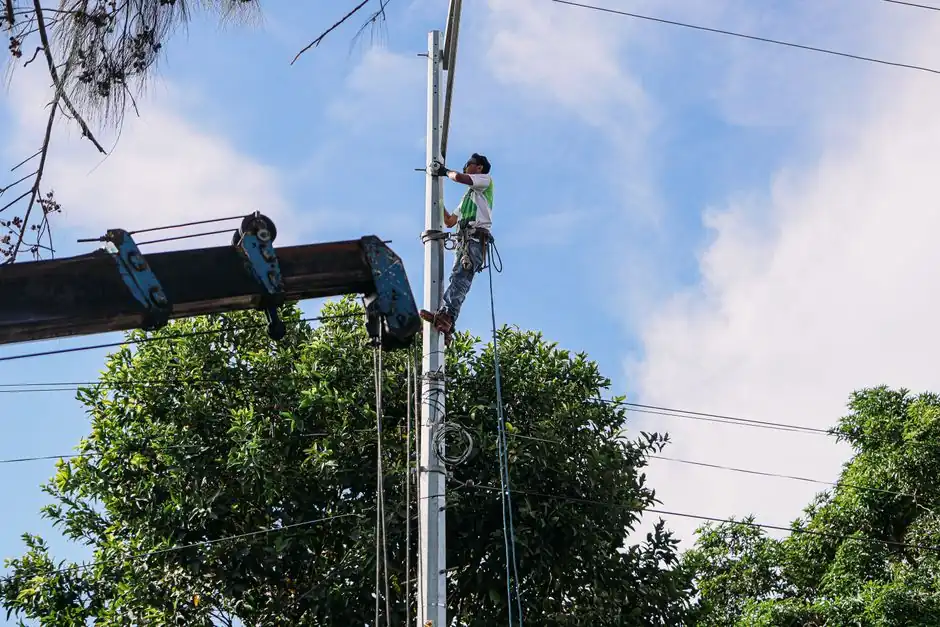
How we work locally
How gas line repair is executed in Salem Street
Challenge: Aging multi-generation gas systems in 1900s–1950s buildings
Salem Street buildings often carry gas work from several eras — original black-iron pipe, mid-century additions, and informal branches tied in when homes became shops. Corroded sections, loosened joints, and undocumented modifications hide behind walls and under yards, and the system’s history is rarely written down anywhere.
Challenge: Buried service lines shifting in Piedmont clay under mature tree roots
Service lines running in from the street main cross dense red clay that swells and shrinks with the seasons, stressing old joints year after year, while mature oak and pine root zones press on buried pipe along these long corridor lots. Excavation here has to respect both the clay and the canopy.
Where we work
Case files
1920s corridor home — corroded original gas line under red clay
An early-1900s wood-frame home on Salem Street had gas appliances that ran weak and a faint odor near the crawl space. The buried service line was original steel, laid decades ago in Piedmont red clay, and inspection showed external corrosion where the clay had held moisture against the pipe for years — with joints stressed by the soil’s seasonal shrink-and-swell movement.
We pressure-tested the system to confirm the buried section was the failure point, coordinated utility locating, and excavated precisely along the documented route. The corroded steel was replaced with properly sized piping bedded correctly in the clay, joints kept clear of the highest-stress zones, and the grade restored so water drains away from the line.
The home’s appliances received full pressure again, the buried line was brought up to current standards, and the property now has a documented, code-compliant service line in place of the corroded original.
Converted storefront — residential gas system carrying commercial equipment
A Salem Street house converted into a small food shop was still running on its original residential gas system, with branches tied in informally over the years to serve commercial cooking equipment. The piping was undersized for the equipment’s actual BTUH demand, shutoff placement did not match the current use, and nothing had ever been load-calculated for the conversion.
We documented every appliance on the equipment list, calculated the total connected load, and sized a replacement system against that real number — new properly sized piping run to the NC Fuel Gas Code, accessible shutoffs at each appliance, and a full pressure test before the system went back into service.
The shop now operates on a gas system designed for its actual commercial load, with documented pipe sizing and shutoffs that match the building’s current use — instead of a residential system stretched beyond what it was built to carry.
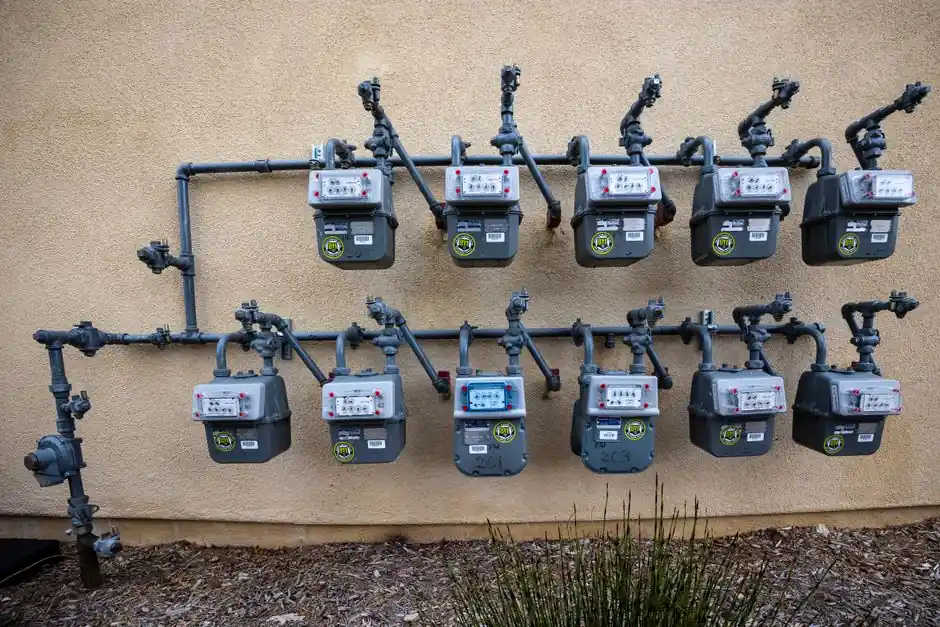
Field evidence from Salem Street
Gas line work built for a historic corridor
Working on Salem Street has taught us to read a building’s whole history before touching a wrench. Original black-iron pipe from the early 1900s, mid-century additions, informal branches from house-to-shop conversions, service lines shifting in Piedmont red clay, mature oak and pine root zones along long corridor lots — each one changes how a gas system should be repaired. Our habit is the same every time: inspect the system as it actually exists, calculate the real connected load, explain what we find in plain terms, build to the NC Fuel Gas Code, and pressure-test before the gas goes back on. That discipline is what keeps century-old corridor gas systems dependable and conversions operating without rework.
Local questions
Why do gas lines in historic Salem Street homes fail more often than in newer neighborhoods?
Age and layers of changes. Many Salem Street homes were built between the 1900s and 1950s, and their gas systems have been modified again and again — new appliances added, branches extended, sections replaced piecemeal. Original black-iron piping can corrode from the inside and outside over decades, old threaded joints loosen as Piedmont clay shifts with moisture, and undocumented add-ons may never have matched the load they now carry. Newer neighborhoods usually have one planned system with known materials; a historic corridor home often has several generations of gas work in the walls and under the yard. That is why we start every Salem Street job with a full inspection and pressure test instead of assuming the visible pipe tells the whole story.
How does Piedmont red clay soil affect buried gas lines along the Salem Street corridor?
Piedmont red clay swells when it is wet and shrinks when it is dry, and that seasonal movement works on buried pipe year after year. A gas service line running from the street main to a street-front home can be stressed at its joints as the clay heaves, and lines buried decades ago may have settled or shifted from the depth and bedding they were installed with. Clay also holds moisture against the pipe, which speeds up external corrosion on older steel lines. When we excavate in this soil, we bed replacement pipe properly, keep joints out of the highest-stress zones, and restore the grade so water drains away from the line instead of pooling around it.
Can a house on Salem Street that was converted into a shop keep using its original gas system?
Not automatically. A gas system sized for a residence — a furnace, a water heater, a range — is often undersized for commercial equipment like high-BTUH ranges, fryers, or commercial water heaters that a converted storefront might run. Salem Street has many homes that became shops, cafes, and offices over the years, and some still run on residential-era piping with branches tied in informally. Before any conversion serves customers, the system needs a load calculation, properly sized piping, accessible shutoffs, and work that meets the NC Fuel Gas Code for the new use. We evaluate converted buildings against their actual equipment list and upgrade what the old system cannot safely carry.
Should an older Salem Street home get a gas line inspection before adding a new appliance?
Yes — especially on this corridor. A new furnace, tankless water heater, range, or outdoor appliance adds demand to a system that may already be carrying decades of additions. We measure the existing line size and run length, calculate the total connected load with the new appliance included, and pressure-test the system to confirm it is tight. If the math shows the old line cannot deliver full pressure to everything at once, we will tell you exactly what needs to change before the new appliance goes in — a larger branch, a rerouted section, or coordination with the gas utility on meter capacity. It is far cheaper to size the system correctly first than to troubleshoot weak flames and nuisance shutdowns afterward.
Safety & compliance
Trust and compliance
Gas work on a historic corridor demands respect for both the fuel and the buildings it serves. We approach every job with safety-first procedures: the system is inspected and pressure-tested before it is put back into service, installations follow the NC Fuel Gas Code, buried service work is coordinated with the gas utility serving the area (PSNC Energy, now Dominion Energy NC), and any excavation starts with NC811 utility locating and a plan for the clay soil and root zones along the corridor. No shortcuts, no guesswork — just careful work documented so you and any future inspector can see exactly what was done.
Areas we cover
Signs you need gas line repair in Salem Street
On a historic corridor, gas line problems often develop quietly inside old piping and under old yards. Watch for these signs — and if you notice any of them, have the line inspected before a small issue becomes an urgent one.
1. A rotten-egg or sulfur smell
Natural gas is odorless, so a distinctive scent is added that you cannot miss. If you notice it anywhere on your property — near the meter, at an appliance, or out in the yard — treat it as urgent and have the system inspected right away.
2. Weak or yellow flames on older appliances
Furnaces, water heaters, or ranges in older corridor homes that burn low, yellow, or uneven can point to pressure loss in aging supply piping. When the problem shows up at several appliances at once, the line feeding them — not the appliances — deserves a professional look.
3. Dead vegetation in a line along the service run
Grass or plants dying in a narrow strip — especially one that runs from the street toward the house along the buried service line’s route — is a classic sign of a buried leak. Gas displaces oxygen in the soil and kills roots along the pipe path, and Piedmont clay makes the pattern easy to spot.
4. Hissing near the meter or along the line
A faint hiss at the meter, at an appliance connection, or anywhere along the buried line’s route can mean gas is escaping under pressure. Do not try to locate it yourself — have it checked professionally.
5. Gas work that looks added-on or undocumented
In converted storefronts and repeatedly remodeled corridor homes, you may find gas branches with mismatched materials, missing shutoffs, or runs that clearly post-date the original system. Informal add-ons are common on this street — and they are worth having evaluated against the NC Fuel Gas Code before they are trusted with daily use.
6. Exposed or shallow pipe found during yard work
Grading, landscaping, or erosion along the corridor can uncover gas piping that was buried too shallow — sometimes where decades of clay settlement and yard work have changed the grade above an old line. Exposed pipe should be evaluated and re-buried to proper depth, not left in the open.
Reliable gas line repair in Salem Street
Salem Street’s century-old homes, converted storefronts, and shifting Piedmont clay deserve gas lines built for all three. Call (984) 246-1060 for an inspection, a repair, or a new installation — and get honest answers about what your system actually needs.
Request service